

Inside your mouth, an ongoing struggle happens every day. Acids from plaque and food attack your teeth, while your body works to repair the damage. The winner of this daily tug-of-war determines your oral health.
It’s a question many parents ask when they spot a white mark on their child’s tooth: Can tooth decay be reversed? Yes, tooth decay can be stopped or reversed, but only in its earliest stage before a physical hole, or cavity, forms in the tooth.
The Daily Push & Pull in Your Mouth
Understanding the balance between damage and repair can help you protect your family’s smiles. Your daily habits have a direct impact on which side wins. It’s a simple process that happens with every meal and snack.
The Role of Plaque, Sugars, & Acids
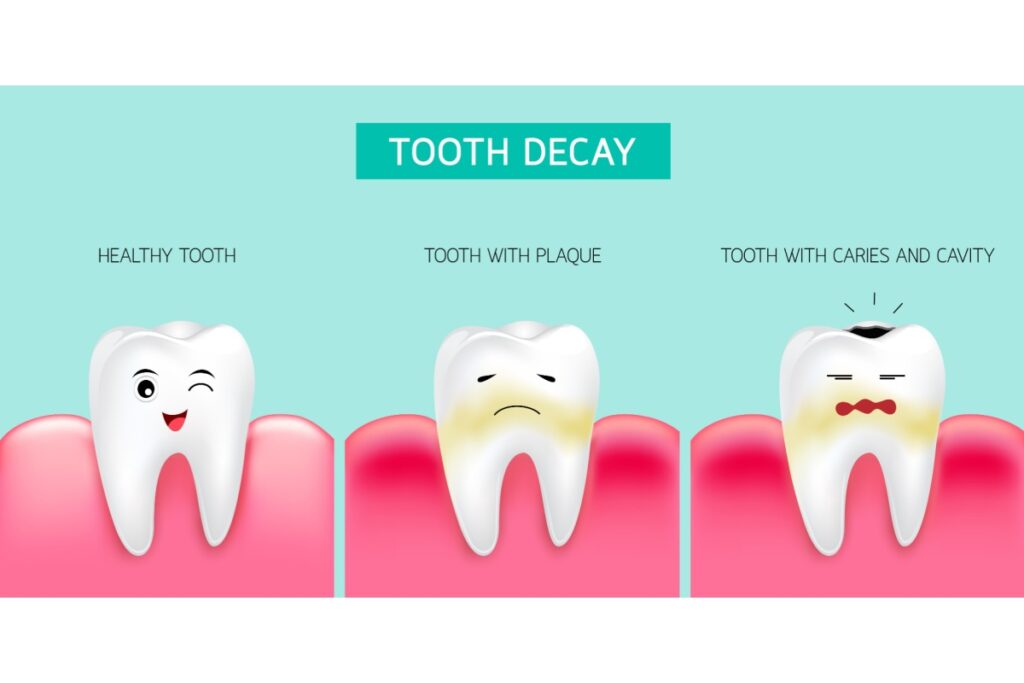
Every time you eat or drink things with sugar or starches, bacteria in dental plaque create acids. These acids can remove important minerals from the hard, outer surface of your teeth—the enamel. This mineral loss is the very first step toward a cavity.
How Saliva & Fluoride Help Your Teeth
Your saliva is a natural defence that contains minerals like calcium and phosphate to help repair enamel. Fluoride, found in toothpaste and tap water, also helps replace lost minerals. It can make teeth more resistant to future acid attacks.
Spot the First Signs of Tooth Decay
Before a hole forms, tooth decay starts as a weakened spot on the tooth. At this very early stage, the process can often be stopped or even reversed. It’s helpful for you to know what to look for.
What Is Demineralization?
Demineralization is the first step in the decay process. It’s the loss of minerals from your tooth’s enamel. You may not feel it, but this is when your tooth starts to weaken under the surface.
Symptoms to Watch For in Your Family
- A dull, white spot on the surface of a tooth
- New sensitivity to sweet, hot, or cold foods & drinks
- A slightly rough feeling when you run your tongue over a tooth
Help Reverse Early Tooth Decay at Home
When decay is only in its initial stage of demineralization, you can take steps at home to help your enamel repair itself. A few small changes to your family’s routine can make a big difference. These habits support your mouth’s natural healing process.
Focus on Your Family’s Diet
You can strengthen teeth from the inside out with a tooth-friendly diet. Offer foods rich in calcium, like cheese and leafy greens, to help build strong teeth. It’s also a good idea to limit frequent snacking on sugary or starchy foods throughout the day to reduce the number of acid attacks on your family’s teeth.
Improve Your Oral Hygiene Routine
A consistent routine is your first line of defence against decay. Brush for two minutes, twice a day, with a soft-bristled brush and a fluoride toothpaste. Remember to floss at least once a day to clear away plaque and food particles from between teeth where a brush can’t reach.
When Is It Too Late to Reverse a Cavity?
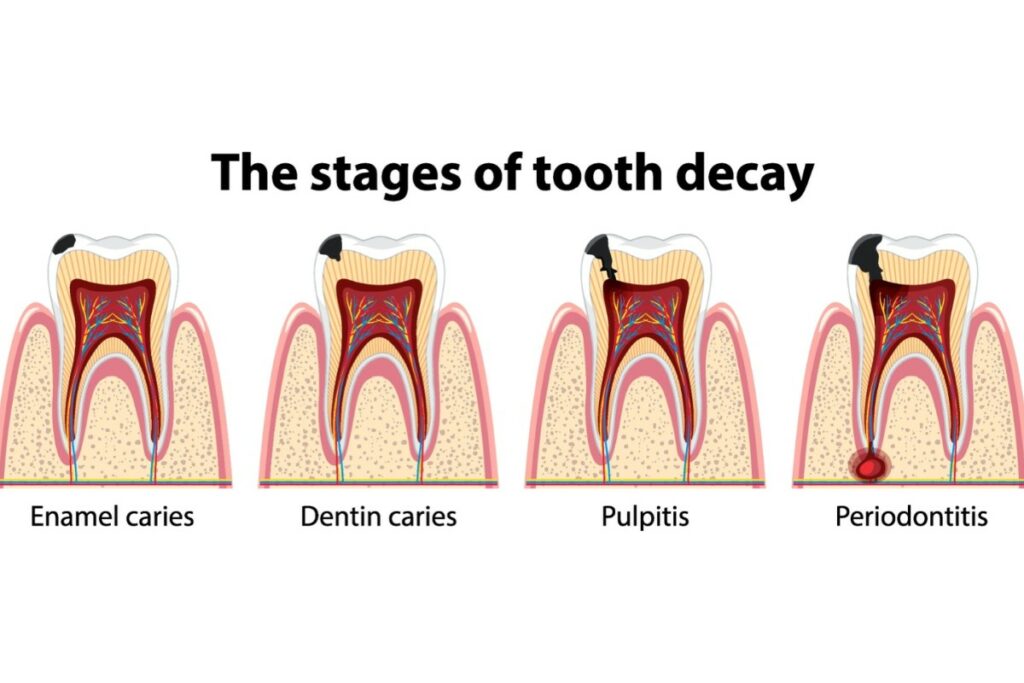
There is a point where tooth decay becomes permanent damage. Once the enamel surface breaks open, the tooth can no longer repair itself on its own. The decay must then be treated by a dental professional to prevent further issues.
When a Cavity Forms
If the demineralization process continues without intervention, the enamel will weaken and break down, forming a hole. This hole is a cavity. At this stage, the damage is permanent and needs a dental filling to fix and protect the tooth.
What Happens if Decay Spreads?
An untreated cavity will not go away—it will grow larger over time. As the decay gets deeper, it can reach the inner parts of the tooth, which may lead to other issues. You or your family members might notice more serious symptoms.
Persistent toothache or pain when you bite down
Increased and more painful sensitivity
Noticeable holes or dark spots on your teeth
Headaches linked to dental pain or infection
Professional Dental Care for Prevention & Treatment
While at-home habits are important, regular professional care is key to preventing decay and catching it early. A partnership with your dentist can help keep your family’s smiles healthy. This support helps you stay ahead of potential problems.
The Importance of Regular Check-ups & Cleanings
Your dentist can spot the earliest signs of decay before you can. Regular visits for professional cleanings remove stubborn plaque and tartar that you can’t get rid of at home. Healthier, cleaner teeth are also a great foundation if you ever consider treatments like Clear Aligners to straighten your smile.
How Your Dentist Can Fix a Cavity
If you have a cavity, your dentist can remove the decayed part of the tooth and fill the space to restore its shape. For more advanced decay, a crown may be needed to cover and protect the tooth. For a tooth that cannot be saved, your dentist may discuss options like dental implants to restore your smile and function.
At Genesis Dental, we use advanced Solea laser technology for many procedures, at no extra charge. This means many treatments can be completed with less discomfort, no needles, and faster healing times compared to traditional methods.
Common Questions About Reversing Tooth Decay
Can Adults Reverse Tooth Decay Too?
Yes! Early-stage tooth decay can be reversed in adults just as it can in children. The key is catching it during the demineralization phase before a cavity forms. Adults should maintain the same preventive habits: brush twice daily with fluoride toothpaste, floss regularly, and visit the dentist for check-ups.
How Long Does It Take to Reverse Early Decay?
Reversing early tooth decay takes time and consistency. With proper oral hygiene, fluoride use, and dietary changes, you may start to see improvements in a few weeks to a few months. Your dentist can monitor the progress during regular check-ups.
Can Fluoride Really Strengthen Teeth?
Absolutely. Fluoride helps remineralize weakened enamel and makes teeth more resistant to acid attacks. It’s found in most toothpastes and many municipal water supplies. Your dentist may also apply professional-strength fluoride treatments for extra protection.
Advanced Dental Care in Surrey to Keep Your Family Cavity-Free
For teeth showing early signs of demineralization, your dentist may suggest treatments to help prevent a cavity from forming. These can include a professional fluoride application to help remineralize the enamel. Dental sealants can also be applied to protect the chewing surfaces of your children’s back teeth.
Catching tooth decay early gives you the power to stop it in its tracks. With good home care and regular professional support, you can help your family maintain healthy smiles for life.
At Genesis Dental in Surrey, we’re here to partner with you in that journey. Dr. Gohel and our team provide calm, knowledgeable care for everyone in your family, using advanced technology like our Solea laser to make treatments as comfortable as possible.
Whether you’re due for a check-up, concerned about a spot on your child’s tooth, or have questions about preventing decay, contact us today to book an appointment.
Your family’s healthy smiles are our priority!

