

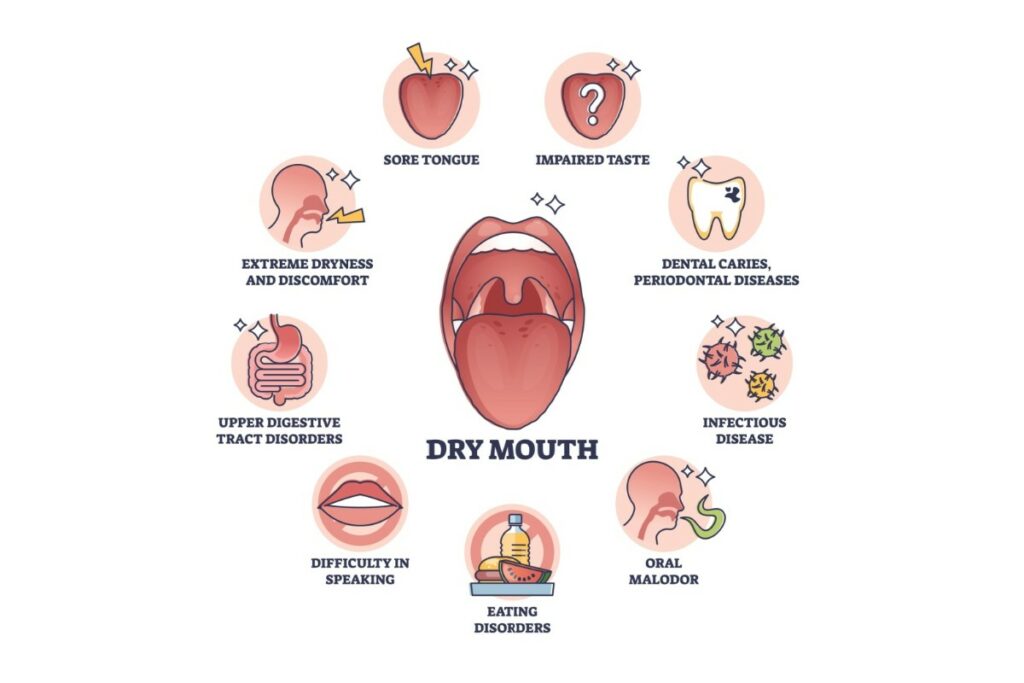
You may notice your mouth feels dry from time to time—especially if you’re nervous or haven’t had enough water. But when that dry, sticky feeling doesn’t go away, it could be more than just thirst. This condition, known as xerostomia, can affect your oral health in significant ways.
A persistent dry mouth can make it easier for plaque and bacteria to accumulate on your teeth. This environment significantly raises your risk for developing cavities and other dental concerns. Understanding the connection is the first step toward protecting your smile.
Why Saliva Is So Important for Your Teeth & Gums
Saliva does more than just keep your mouth feeling comfortable. It’s a key part of your body’s natural defence system for your teeth. It helps you chew, taste, and swallow your food with ease.
More importantly, saliva constantly works to rinse away food particles from your teeth. It also neutralizes harmful acids that bacteria produce after you eat. Without enough of it, this protective system weakens, leaving your tooth enamel vulnerable.
Common Reasons, Signs & Symptoms of Dry Mouth
A dry mouth happens when your salivary glands don’t produce enough saliva to keep your mouth moist. This isn’t a normal part of aging and can happen for several reasons. Common causes include side effects from medications, certain health conditions, or nerve-related issues.
While the main symptom is a lack of saliva, this can lead to other uncomfortable signs. It’s helpful to know what to look for so you can address the issue. You may notice some of these symptoms:
- A sticky or dry feeling in your mouth
- Trouble chewing, swallowing, or speaking
- A burning sensation in your mouth
- A dry feeling in your throat
- Cracked lips or sores at the corners of your mouth
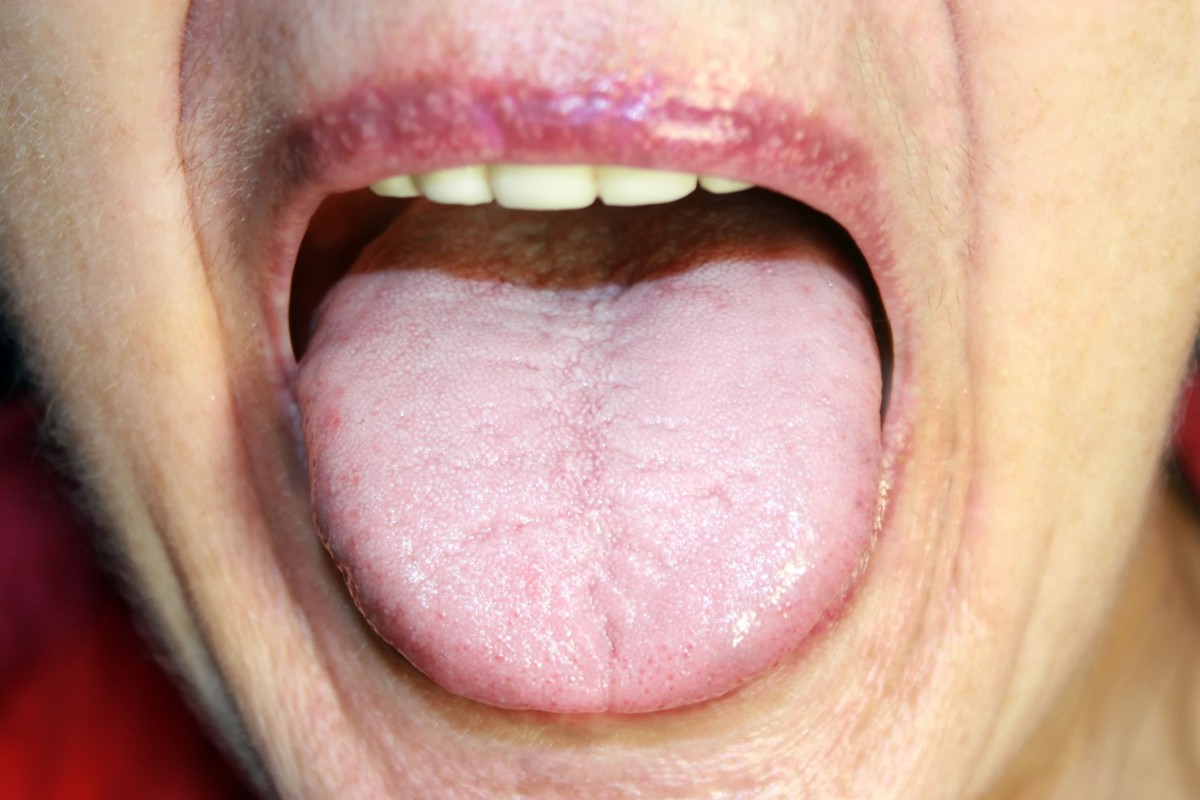
- A rough, dry tongue
- Persistent bad breath
The Direct Link Between Dry Mouth & Cavities
When your saliva flow is low, bacteria and plaque can build up more quickly. Food particles—especially those from sugary or starchy foods—are not washed away as effectively. This creates an ideal environment for acid-producing bacteria to thrive.
These acids attack your tooth enamel, which is the hard, protective outer layer of your teeth. Over time, this acid erosion can create weak spots and eventually holes in the enamel. This is why a chronic dry mouth can lead to a sudden increase in tooth decay.
Why Do I Have So Many Cavities All of a Sudden?
A sudden increase in cavities can often be traced back to a recent change that causes dry mouth. This could be a new medication you’ve started or a shift in your overall health. Because saliva is your mouth’s primary defence, a reduction in its flow can quickly lead to new dental problems.
What Does a Stage 1 Cavity Look Like?
In its earliest stage, a cavity may appear as a small white or chalky spot on your tooth. This spot indicates an area where the enamel has lost minerals due to acid attacks. At this point, the damage can sometimes be reversed with proper care and fluoride treatment before it progresses.
How Genesis Dental Can Help
If you’re dealing with the discomfort of a dry mouth, your first step can be a conversation with a dental professional. A visit to Genesis Dental can help identify the cause and create a plan to protect your teeth. We will review your health history, check for signs of decay, and discuss your options.
Can a Dentist Tell if You Have Dry Mouth?
Yes, a dentist can often spot the signs of dry mouth during a routine exam. We look for a lack of pooled saliva in your mouth or a tongue depressor that sticks to your cheek. We also check for related issues like tooth decay, especially along the gumline, and other oral sores.
Professional Care for Dry Mouth Relief
Depending on the cause of your dry mouth, we may suggest different approaches to manage it. Options can include special mouthwashes or fluoride treatments to help protect your teeth from decay. Regular professional cleanings are also important to remove the plaque that builds up more quickly when your mouth is dry.
At Genesis Dental, we also use advanced Solea laser technology for treating cavities caused by dry mouth, at no extra charge. This innovative approach means cavity treatments can often be completed with less discomfort, no needles, and faster healing times.
At-Home Tips for Dry Mouth Relief
While professional guidance is valuable, you can also take steps at home to manage symptoms. These simple habits can help stimulate saliva flow and keep your mouth moist. This can provide comfort and add another layer of protection for your oral health.
- Stay Hydrated: Sip water frequently throughout the day. This helps to keep your mouth moist and rinse away food particles between meals.
- Chew Sugar-Free Gum: Look for gum containing xylitol. Chewing stimulates saliva production, and xylitol can help reduce the bacteria that cause cavities.
- Avoid Certain Products: Try to limit your intake of caffeine, alcohol, and tobacco. These substances can contribute to dryness and make your symptoms worse.
- Use a Humidifier: Running a humidifier in your bedroom at night can add moisture to the air. This can help ease the discomfort of a dry mouth while you sleep.
Common Questions About Dry Mouth & Cavities
What Medications Cause Dry Mouth?
Many common medications can reduce saliva production, including antihistamines, decongestants, blood pressure medications, antidepressants, and pain medications. If you’ve recently started a new medication and notice dry mouth symptoms, talk to your doctor or dentist about alternatives or solutions.
Can Drinking More Water Help Dry Mouth?
Yes! Staying well-hydrated throughout the day helps keep your mouth moist and rinses away food particles. Sip water frequently rather than gulping large amounts at once. Keep a water bottle handy, especially if you’re taking medications that cause dry mouth.
Is Dry Mouth Dangerous?
While dry mouth itself isn’t dangerous, the complications it can cause—like rapid tooth decay, gum disease, and oral infections—can seriously impact your oral health. That’s why it’s important to address dry mouth symptoms promptly with your dentist.
How Quickly Can Dry Mouth Cause Cavities?
Without adequate saliva protection, cavities can develop much faster than normal—sometimes within just a few months. The exact timeline depends on factors like your diet, oral hygiene habits, and the severity of your dry mouth. Regular dental check-ups help catch problems early.
Take Control of Dry Mouth & Protect Your Smile
Maintaining your oral health is a partnership between your at-home habits and professional care. If you’re experiencing symptoms of dry mouth, noticing more cavities than usual, or simply due for a check-up, Genesis Dental in Surrey is here to help.
Dr. Gohel and our team provide comprehensive care to identify the cause of your dry mouth and create a personalized plan to protect your teeth. With advanced technology like our Solea laser and a warm, welcoming environment, we make dental care comfortable for the whole family.
Don’t let dry mouth put your smile at risk. Don’t let dry mouth put your smile at risk. Book your appointment online today and get the relief and protection you deserve!

