


Key Takeaways
- Less saliva can raise your risk of tooth decay.
- Water, sugar-free gum, brushing, and flossing can support your oral health.
- A dentist can check for decay and recommend care based on the cause of your dry mouth.
When your mouth feels dry and sticky, meals can feel uncomfortable and your lips may crack. Genesis Dental can check symptoms such as unpleasant breath or trouble speaking. These symptoms can affect your teeth if they continue.
Yes, dry mouth can increase your risk of cavities because less saliva leaves your teeth with less protection from food, germs, and acids.
Dry Mouth & Your Cavity Risk
Saliva helps clear small pieces of food from your mouth. It also helps control harmful germs that can contribute to tooth decay. Saliva also helps neutralize acids and supplies minerals that support tooth enamel. When your saliva flow drops, food and germs can remain on your teeth for longer, leaving your teeth with less protection between brushing sessions.
Your saliva also contains minerals that help protect tooth enamel, which is the firm outer layer of each tooth. With less saliva, your enamel may face more contact with acids. Regular care from a dentist can help you watch for early signs of decay.
Dry Mouth Signs & Common Causes
Signs You May Notice
Dry mouth can feel different from person to person. Your symptoms may appear all day or only at certain times, such as after you wake up.
- Your mouth feels dry, sticky, or sore.
- You have trouble chewing, swallowing, or speaking.
- Your lips crack or your breath smells unpleasant.
Pay attention to how often these signs occur and whether they affect meals or sleep. This information can help our team assess your needs.
Possible Causes
Many factors can reduce your saliva flow. Some causes last for a short time, while others may require ongoing care. Dehydration or stress may cause temporary dryness, while medication side effects, health conditions, and some medical treatments can lead to more persistent symptoms.
- Your medicines may reduce saliva flow.
- Dehydration, stress, or health conditions may contribute.
- Cancer treatments or nerve damage may affect your saliva flow.
Don’t stop or change medicine on your own. Instead, share a complete medicine list with your dentist during your dental visit.
How to Prevent Tooth Decay With Dry Mouth
Daily Dry Mouth Relief
Small habits can help keep your mouth moist throughout the day. Water and sugar-free gum may ease dryness, but they do not replace brushing, fluoride care, or professional exams when your cavity risk is higher.
- Sip water throughout your day and with meals.
- Chew sugar-free gum to support saliva flow.
- Limit caffeine, alcohol, tobacco, and salty foods.
Your At-Home Cavity Care
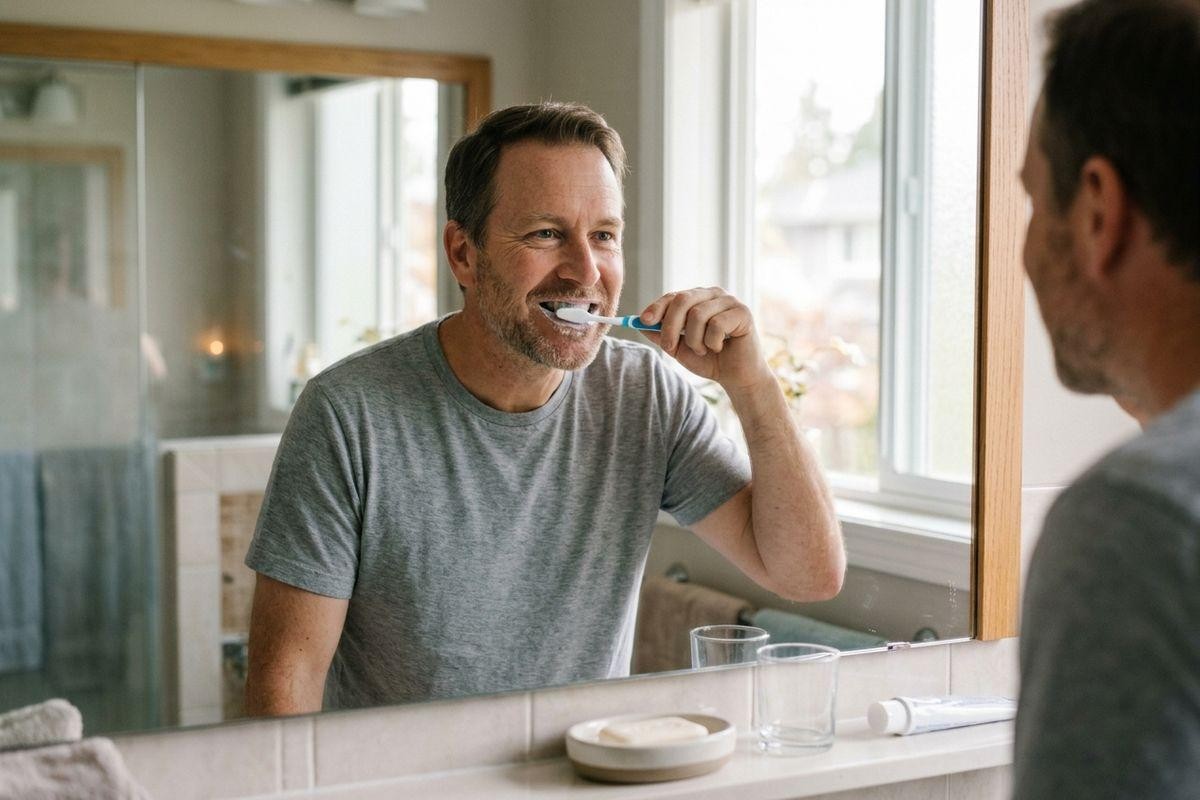
Dry mouth makes consistent home care more valuable. A simple daily routine can limit the time that food and sugar stay on your teeth. If you sip sweet or acidic drinks often, choose water more frequently when possible, since repeated exposure may be harder on teeth when saliva is reduced.
- Brush your teeth gently twice daily.
- Floss daily to clear trapped food.
- Choose sugar-free products, including options with xylitol.
A regular professional cleaning can remove buildup that your toothbrush and floss may leave behind. Our team can also show you how to clean areas that are hard to reach.
How Genesis Dental Can Help
Your Dry Mouth Check
A dental visit can help identify how dry mouth has affected your teeth and gums. Your dentist may ask when your symptoms started and how often they return.
- Our team can review your symptoms, health, and medicines.
- Your dentist can check your teeth, gums, and saliva.
- Our team can look for cavities or mouth infections.
Your Dental Care Options
Your care plan can depend on your symptoms and their cause. During an exam, your dentist can look for early decay, enamel changes, gum irritation, and other signs that dry mouth is affecting your oral health. Options may include saliva substitutes, prescription products, fluoride care, and scheduled professional cleaning visits. If a medication or health condition may be contributing, your dentist may also suggest discussing it with the clinician who manages that care.
If your dentist finds a cavity, early treatment can help keep it from becoming larger. Our team can explain each option in clear terms, so you know what to expect.
Dry Mouth & Your Long-Term Dental Care
How Long Dry Mouth May Last
Temporary dryness may ease after you drink water. Feeling thirsty after exercise or a salty meal is not always the same as ongoing dry mouth. Ongoing symptoms can last longer depending on their cause. Track when dryness appears, how long it lasts, and whether it returns after meals or medicine.
When to Book a Visit
Our team can assess ongoing symptoms and changes in your mouth. You do not need to wait until a cavity appears to ask for help, especially if dryness is persistent or affects eating or speaking.
- Your dry mouth persists or disrupts meals.
- You notice sores, pain, or changes in your teeth.
- You take medication or have a health condition that may contribute to dry mouth.
Share your dry mouth symptoms before any dental treatment. This helps your dentist consider your current oral health when discussing care options.
Genesis Dental offers dental exams, cleanings, and practical guidance for families. Book a visit with our team to discuss dry mouth, check for cavities, and create a practical plan for your smile.

