

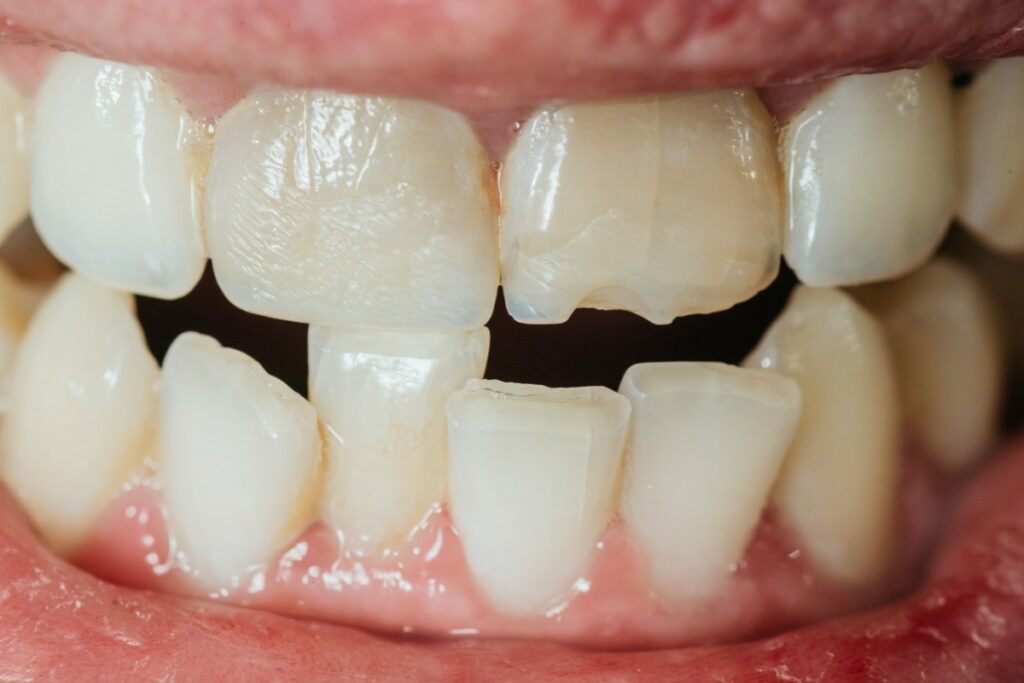
You may notice small changes in your smile over the years—a new gap or a slightly crooked tooth. It’s a common experience, as your teeth are not fixed in place and can move. At Genesis Dental, our team helps you monitor these shifts as a key part of your overall oral health and protect your smile as you age.
This natural process is influenced by everything from your daily habits to changes in your jaw. Teeth can and often do shift over time, but understanding why it happens helps you take proactive steps to maintain your alignment.
Why Your Teeth Move Over Time
It’s natural for your teeth to shift slightly throughout your life. This movement happens for a few key reasons, often related to changes in your jaw, your gums, and the pressures placed on your teeth every day. While a little movement is normal, significant shifts can affect your bite and oral health.
Age & Your Bite
As you get older, your jawbone can change in density and shape, which is a normal part of aging. Your lower jaw, in particular, tends to move forward and narrow slightly. This change can cause your bottom teeth to become crowded over time, even if you previously had a straight smile.
The Role of Gum Health
Your gums and the bone underneath them provide the foundation for your teeth. When gum health declines, this support system weakens, which may allow teeth to loosen and shift out of place. Regular appointments for teeth cleaning help keep this foundation healthy and strong.
Habits That Affect Your Smile
Certain habits also contribute to shifting teeth. These might include grinding your teeth at night or consistently chewing on hard objects like ice or pens. Even the gentle, constant pressure from your tongue can influence tooth position over the long term.
Signs Your Teeth Have Moved
You might not see the changes from one day to the next, but you can look for subtle signs that your teeth are on the move. Pay attention to how your bite feels and how your smile looks in the mirror. Catching these signs early helps you address them before they become bigger concerns.
How to Spot the Changes
- Gaps may start to appear between your teeth.
- Your teeth—especially the bottom front ones—may look more crowded.
- Your upper and lower teeth may not fit together like they used to.
- You might notice more food gets caught between your teeth.
- Flossing becomes more difficult in certain spots.
If flossing has become more difficult or painful, it could point to other concerns. These symptoms can also be signs of a developing malocclusion, or misaligned bite, so it’s helpful to pay attention to any changes.
Retainers & Their Importance
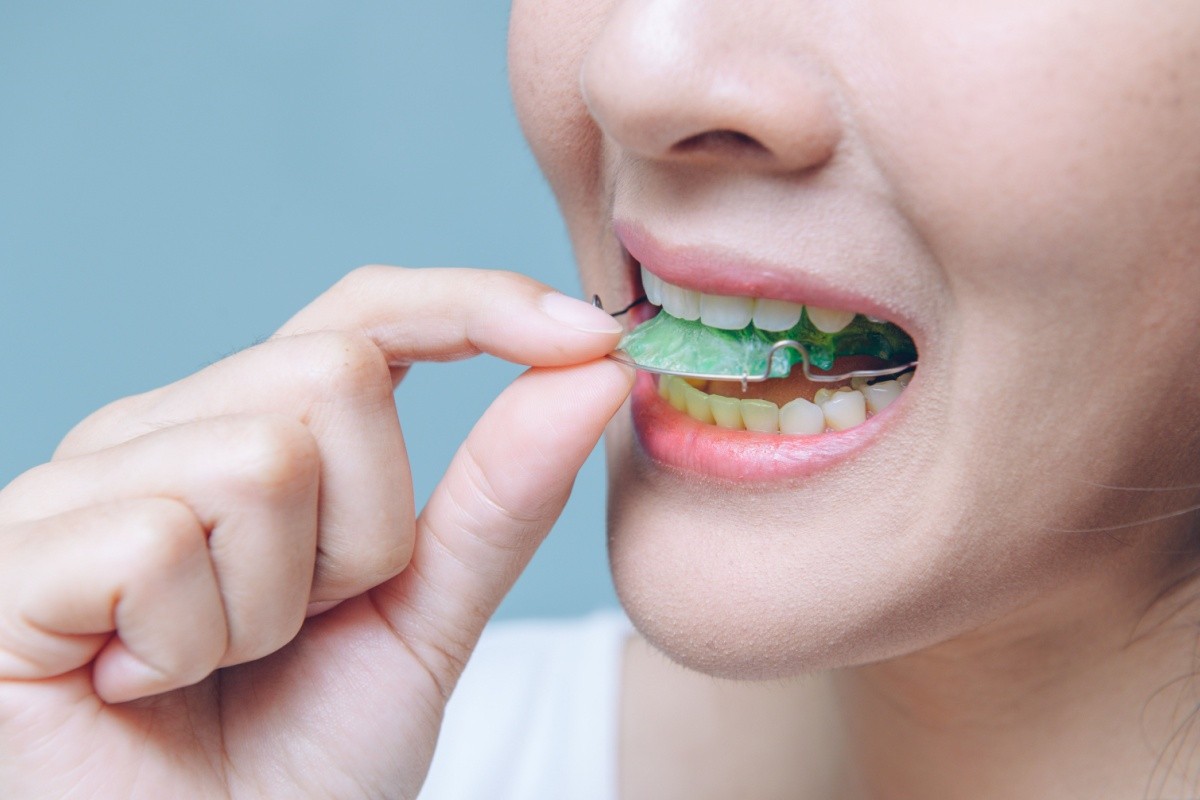
If you’ve had braces or other orthodontic work, a retainer plays a key role in keeping your teeth in their corrected positions. Without it, your teeth have a natural tendency to drift back toward their original spots. A retainer provides the stability your smile needs to stay aligned.
Keep Your Smile in Place
A retainer is designed to hold your teeth in their new alignment after orthodontic treatment. Consistent use—especially in the months and years right after your treatment—is an effective way to prevent your teeth from shifting.
What Happens Without a Retainer
Forgetting to wear your retainer allows the ligaments and bone around your teeth to slowly guide them back to their old positions. This process, known as relapse, is a key reason why successful orthodontic treatment includes long-term retainer use.
Dental Work & Your Tooth Position
Changes in your mouth, such as tooth loss, can also lead to shifting. When a tooth is lost, the neighboring teeth may start to tilt or drift into the empty space. This can create a domino effect, changing your bite and the alignment of your entire smile.
How Tooth Loss Causes a Shift
Each tooth in your mouth helps support the ones next to it. When one is gone, that support is lost, which is why exploring options for missing teeth is so important. The surrounding teeth can lean into the gap, which may lead to issues with your bite and even jaw discomfort down the road.
How Implants Can Help
A dental implant is an option to replace a missing tooth and restore stability. By filling the gap, dental implants can prevent neighboring teeth from drifting and help preserve your jawbone and overall smile alignment.
Options to Straighten Your Smile
Modern Orthodontic Solutions
Clear aligners are a popular and discreet choice for adults. A system like Invisalign uses a series of custom-made, removable trays to gently guide your teeth into a straighter position without the look of traditional braces.
When to Talk to a Professional
If you’re concerned about crowding, new gaps, or changes in your bite, it’s a good time to discuss your options. Our dental team can assess your smile and recommend a path forward that fits your goals and lifestyle.
Your smile is a dynamic part of you, and it’s normal for it to change with time. With a proactive approach, you can manage these shifts and keep your teeth healthy for life. At Genesis Dental, the team is here to support your oral health journey.
Whether you’re due for a cleaning or curious about orthodontic options, contact us to schedule a visit.

