

Key Takeaways
- Many common medications slow down saliva production, leading to dry mouth.
- Without enough saliva, your teeth are more vulnerable to cavities and gum irritation.
- Simple daily habits like drinking more water and chewing sugar-free gum can help protect your teeth.
- Regular dental cleaning appointments help catch and manage decay risks early.
Dry Mouth, Tooth Decay, and Medications
You take your medications every day without thinking twice about your teeth. However, if you’ve noticed that your mouth feels sticky or your teeth feel sensitive, your prescriptions might be playing a role. Some medications can cause dry mouth, and dry mouth can lead to tooth decay.
The good news is that you can protect your smile. At Genesis Dental, we offer dental exams and cleanings designed to help you keep your mouth healthy.
How Medication Leads to Dry Mouth
What Dry Mouth Actually Means
Dry mouth isn’t just about feeling thirsty. It happens when your body produces less saliva than it needs, leaving your mouth feeling sticky, rough, or uncomfortable. Dry mouth is a common side effect for people who take certain prescription and over-the-counter drugs.
Saliva does a lot of important work. It rinses away food particles, neutralizes acids, and keeps the soft tissues in your mouth from drying out. This means that, when your mouth dries out, it loses one of its natural defences.
Medications That Often Cause It
A wide range of medications list dry mouth as a side effect. Antihistamines, antidepressants, and blood pressure drugs are some of the most common ones. Diuretics, certain pain medications, some inhalers, and allergy treatments can also reduce saliva flow.
If you’re on more than one of these medications at the same time, the effects can add up. You don’t need to stop your medication, but understanding the risks means that you can take steps to protect your teeth.
The Link Between Dry Mouth & Tooth Decay
Saliva acts like a natural shield for your teeth. It washes away bacteria, neutralizes the acids that form after you eat, and even helps remineralize your enamel. When saliva production drops, this protection fades.
Without enough moisture, bacteria build up faster and acids linger longer on your teeth. This combination creates the right conditions for cavities and gum disease to appear.
Signs Your Teeth May Be at Risk
Some signs of dry mouth are easy to notice, while others are subtle. Here’s what to watch for:
- Frequent thirst or a dry, rough feeling on your tongue
- New tooth sensitivity, especially to cold or sweet foods
- Cavities appearing more often than they used to
- Bad breath that doesn’t go away after brushing
Simple Ways to Protect Your Teeth
Daily Habits That Help
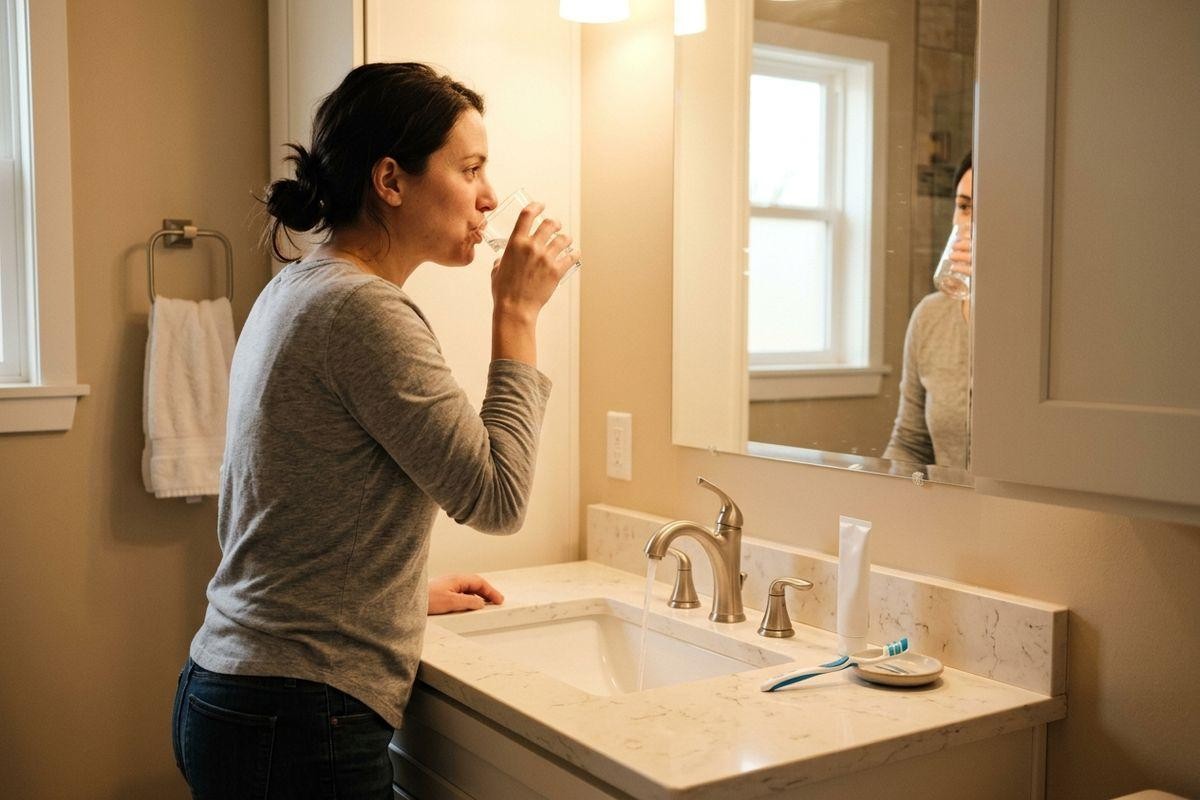
Small, consistent habits can go a long way towards managing dry mouth at home. Sipping water throughout the day, rather than drinking large amounts all at once, helps keep your mouth moist and rinses away food and bacteria between meals.
It also helps to steer clear of alcohol-based mouthwashes, which can dry out your mouth, as well as sugary drinks, which feed the bacteria that cause decay. Breathing through your nose when possible and using a humidifier at night can also help reduce dryness.
How a Surrey Dentist Can Support You
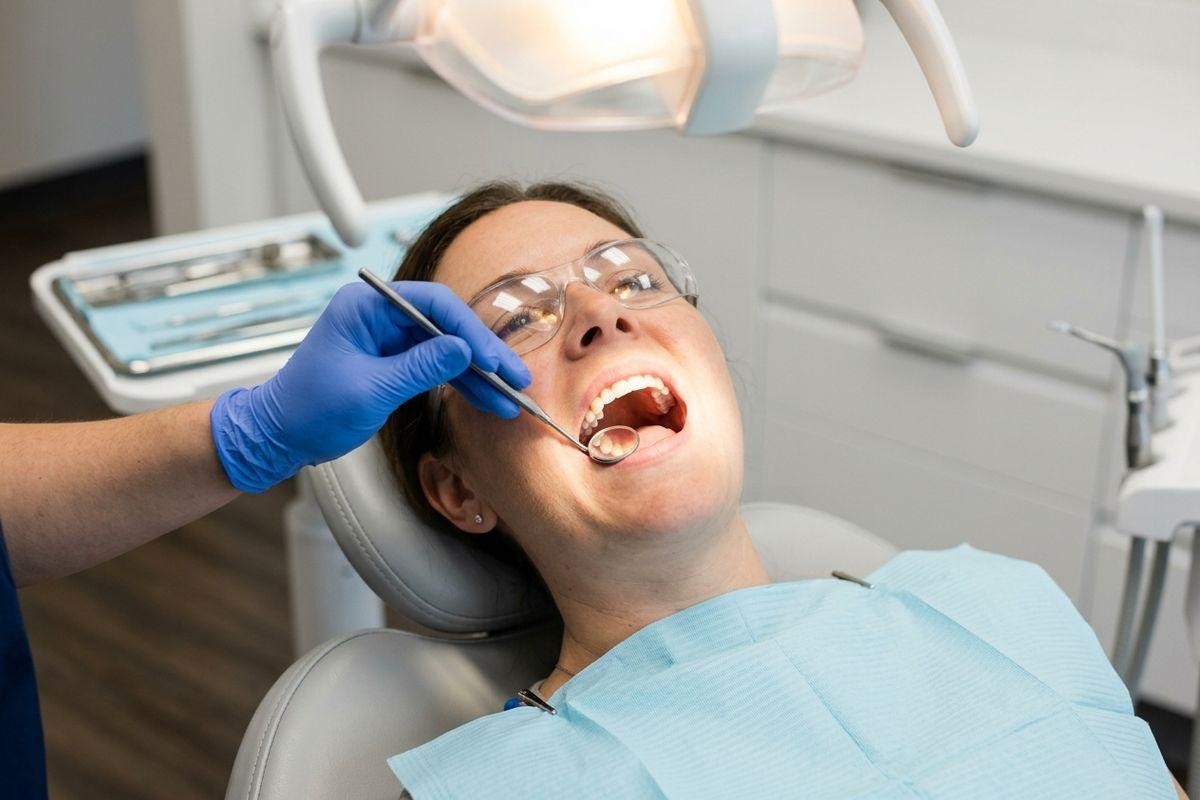
At-home habits are a great start, but professional care adds another layer of protection. Regular dental appointments help remove built-up plaque and tartar. Your dentist can also provide fluoride treatments to strengthen your enamel and reduce sensitivity.
Regular visits with your Surrey dentist can help identify signs of decay before they turn into larger, more involved problems.
When to Talk to a Dentist
If you have dry mouth that lasts more than a few weeks, it’s worth bringing up at your next dental appointment. Your dental team can help you figure out the cause of your symptoms.
You should also reach out if you develop tooth pain or visible spots on your teeth, or if you notice changes in how your gums look and feel.
At Genesis Dental, we’re here to help you keep your mouth healthy. Book a cleaning or a checkup now and take the first step towards preserving your smile.

