

Key Takeaways
- Wisdom teeth are your third molars, and they don’t always need to come out.
- Pain, swelling, infection, decay, or pressure on nearby teeth are signs that wisdom teeth should be checked.
- Fully erupted wisdom teeth that are easy to clean and causing no issues can sometimes stay.
- X-rays and regular dental exams help track what’s happening before problems start.
- Recovery after removal is manageable with the right care at home.
Wisdom Teeth Shouldn’t Cause Discomfort
When people hear that their wisdom teeth are coming in, the most common assumption is that they’re coming out, too.
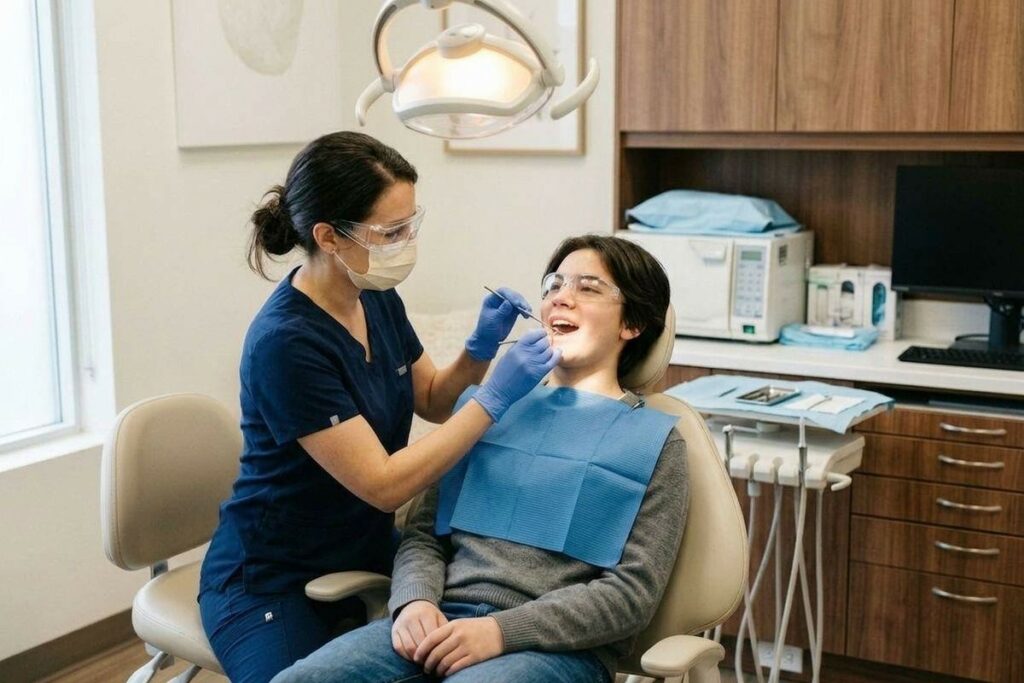
However, not every wisdom tooth needs to be removed. Whether you should keep your wisdom teeth depends on how they’ve grown in, how much space your mouth has, and whether they’re causing any problems. If you’re not sure what to do, or if you’re experiencing discomfort, our team at Genesis Dental can help you assess your options.
What Wisdom Teeth Are & Why They Matter
Wisdom teeth are your third set of molars, and they typically show up in your late teens or early twenties. Not everyone develops all four, and some people have enough space in their jaw to accommodate their wisdom teeth without problems.
A wisdom tooth that comes in straight, with space to spare, behaves just like any other molar. One that grows in at an angle or gets stuck beneath the gum is a different story. That’s why the decision to remove them isn’t one-size-fits-all. Impacted wisdom teeth in particular can lead to complications that are worth catching early.
Signs Your Wisdom Teeth May Need Attention
Physical Symptoms to Watch For
Your body usually gives you hints when something’s off. If your wisdom teeth are causing trouble, you might notice:
- Pain or pressure at the back of your mouth
- Swollen or tender gum tissue near the tooth
- Difficulty opening your jaw fully
These symptoms don’t always mean that removal is needed, but they do justify a check-in with your dentist. Catching changes early gives you more options and more time to make a calm, informed decision.
What a Dentist Looks For
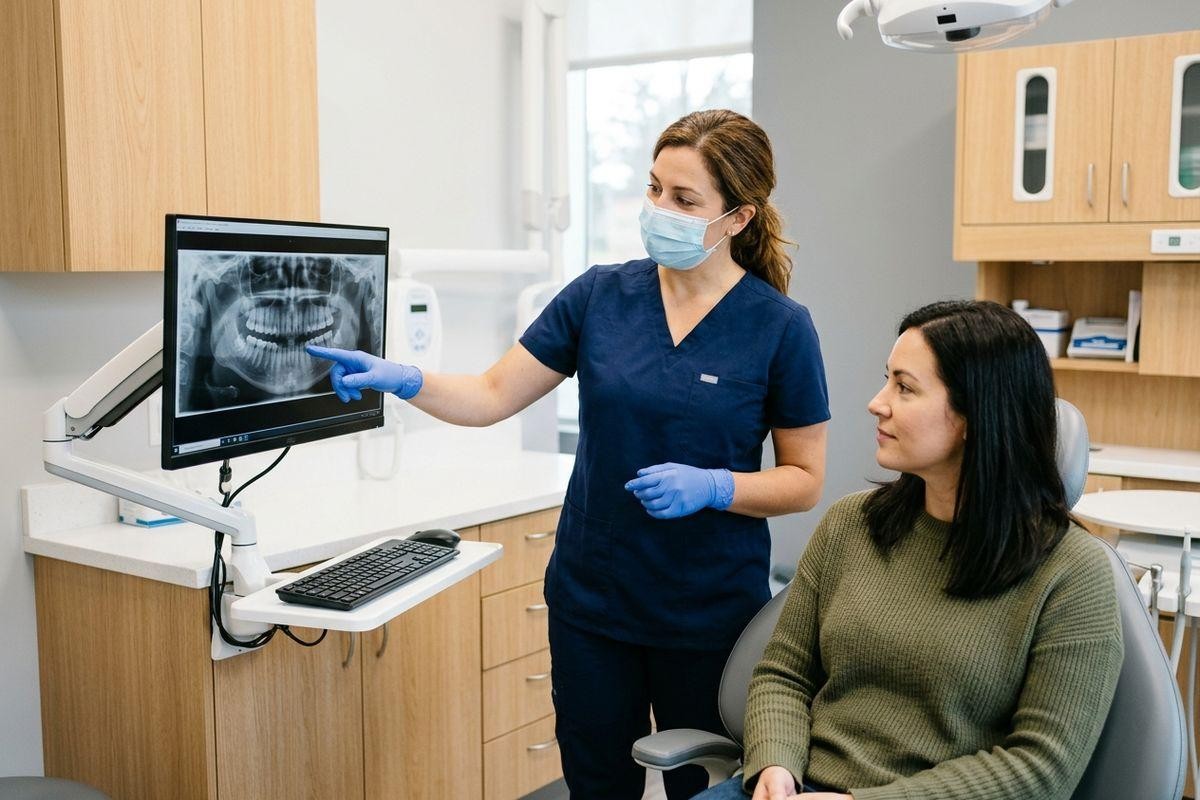
A dentist doesn’t just go by how you feel. Dental X-rays show the angle of the tooth, how close it sits to neighbouring teeth, and whether it’s on a path that could cause crowding down the road. They’ll also look for signs of infection or decay around the tooth.
When Wisdom Teeth Can Actually Stay
Sometimes, the best plan is simply to leave your wisdom teeth alone. If a tooth has fully come in, has enough space, is easy to clean, and isn’t causing pain or gum problems, removal may not be necessary at all. Many people go years, even decades, with their wisdom teeth intact and healthy.
The key is monitoring. Regular dental check-ins allow your dentist to track any changes in position or gum health over time. Staying consistent with your appointments means that you won’t be caught off guard.
The Removal Process & What to Expect
Before the Procedure
If removal is the right call, the process starts with a thorough exam and updated X-rays, so that your dentist can map out what needs to happen.
Your dentist will walk you through a plan, including how long the procedure may take, what recovery will look like, and which sedation or anaesthetic options may be appropriate. Knowing what’s ahead can make the experience feel a lot less daunting.
If your wisdom teeth are more complex, your dentist can explain whether treatment in-office or a referral is the best next step.
Recovery at Home
The first few days after removal call for soft foods, rest, and a little patience. Think mashed potatoes, yogurt, soups, and smoothies eaten with a spoon rather than sipped through a straw, since suction can interfere with healing. Mild swelling is completely normal and typically eases within a few days, though full healing may take longer. For more detail on eating after a dental procedure, we can offer guidance on when to eat solid food after a tooth extraction.
Follow-up appointments let your dental team check that everything is healing the way it should.
How Regular Dental Visits Help You Stay Ahead
Routine exams are one of the most practical tools for staying ahead of wisdom tooth issues. We recommend dental exams every 6 months for most people, and this gives us a chance to check on your wisdom teeth as well as the general health of your mouth.
At Genesis Dental, our team takes a calm, thorough approach to wisdom tooth care—whether that means monitoring your teeth, removing them, or simply reassuring you that everything looks fine. If you’d like to book an exam or have questions about your family’s dental health, reach out to us today to get started.

